
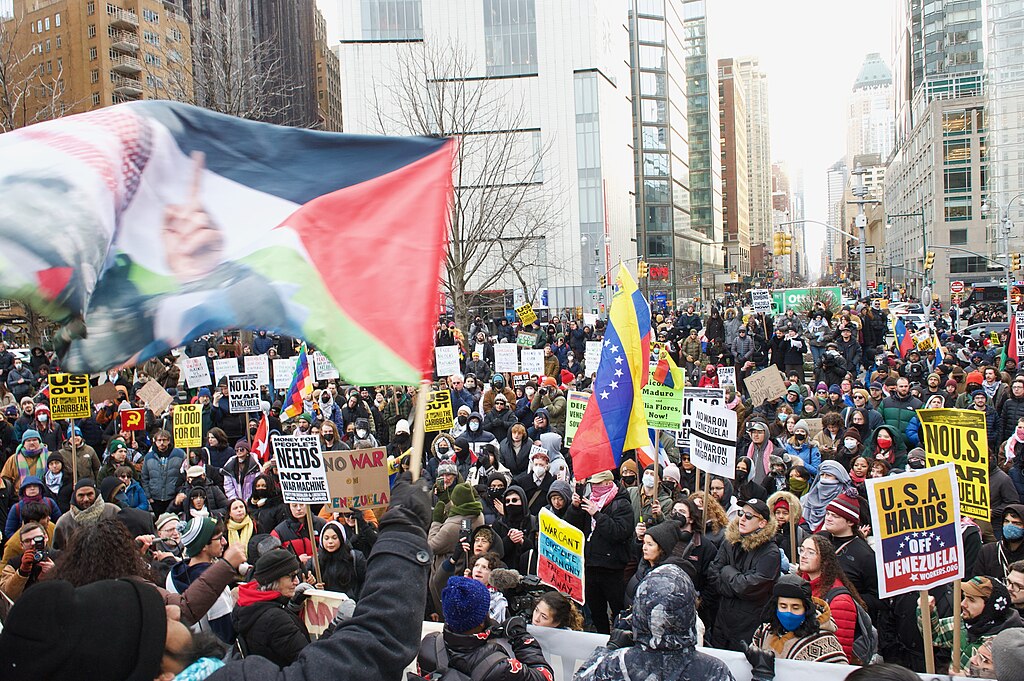
Early in the morning on January 3, the Trump administration carried out a brutal operation in Venezuela aimed at regime change. Throughout the night, the United States launched air strikes across the capital city of Caracas and other regions. Meanwhile, US Special Forces kidnapped President Nicolás Maduro and his wife and delivered them to New York City, where they will face spurious federal charges for narco-trafficking.
That afternoon, at a press conference held at Mar-a-Lago, Trump’s personal residence, Secretary of State Marco Rubio described Maduro as a “fugitive of American justice,” referring to the indictment of Maduro and other senior Venezuelan officials on drug trafficking charges by the first Trump administration in March 2020. During the same press conference, President Trump asserted that the United States government will functionally assume control of Venezuela and, critically, its natural resources.
This illegal invasion happened after weeks of military action off the continental coast. Trump repeatedly signed off on lethal strikes on Venezuelan fishing boats under the guise that these boats were being used to smuggle drugs into the United States. Despite the deadly outcomes of these attacks, the military did not provide any evidence for this claim. In December, the US seized an oil tanker off the coast of Venezuela. Notably, none of these operations received Congressional approval. A legislative stamp of approval would not make these crimes more justifiable. However, it is ironic for Trump to herald a “safe, proper, and judicious transition” of power in Venezuela, while continuously undermining and outright ignoring any kind of democratic checks on his own power at home.
Historical parallels
The parallels between the “War on Terror” and the invasion of Iraq during the George W. Bush administration and the contemporary “War on Drugs” are apparent. The United States asserts its imperial ambitions for oil and profit under the guise of “fighting terrorism” or “delivering justice.” However, as Matt Huber argues, the Trump administration’s coup in Venezuela represents a new stage in the development of American imperialism. In the early 2000s, the imperial goal was to “prop up states who were simply open to investment from international oil capital,” a dynamic best exemplified by the United States’ close alliance with Saudi Arabia. Trump, on the other hand, has openly declared his intent to seize Venezuelan oil and put the industry under direct control of US oil companies. The well-being of people on the ground in Caracas does not matter when the goal is to “[take] a tremendous amount of wealth out of the ground.”
There is a clear pattern of continuity in US imperialist actions. Under Trump, these actions have taken on an even greater intensity. While the ultimate outcome of this offensive against Venezuela remains uncertain, it is clearly intended as an imperialist threat to Latin American sovereignty. The revival of the Monroe Doctrine is officially part of the Trump administration’s national security strategy.
New Organizing Opportunities
It makes sense that many of us on the left are quick to highlight the historical parallels. Many leaders of the anti-war, labor, and socialist movements over the last two decades were first politicized in response to the US invasion of Iraq, which sparked some of the largest anti-war protests in history. And yet, today, something appears to be changing. Many people across the country are no longer willing to uncritically accept lies about whose interests American foreign policy serves. For over two years, we have witnessed brutal violence and genocide in Gaza — an experience that has fundamentally shaped a new generation of movement leaders.
The country has seen a massive uprising of people from different backgrounds demanding an end to the slaughter that our government has been complicit in, regardless of which party has been in power. The mobilized anti-war movement has had real political implications in the United States. Joe Biden’s abysmal enabling of Israel’s genocide in Gaza, and later Kamala Harris’ inability to distance herself from Biden’s policy, gave Trump an opening to position himself as the “anti-war” candidate in the 2024 Presidential election. This helped him carry critical swing states like Michigan. From the left, Zohran Mamdani’s unwavering support for Palestinian rights and commitment to the end of Israeli apartheid made a real difference in his election as mayor of New York City. Evidence suggests that his anti-war stances, coupled with strong social redistributive welfare policies, cemented his victory. Popular discontent and opposition to war are real factors in contemporary American politics.
Massive anti-war demonstrations are not a new phenomenon. However, we have a real — and unprecedented in modern US history — opportunity to channel that energy into a lasting organization and build a political party that truly represents the interests of the international working class. JP Lyninger, a Democratic Socialist city council member in Louisville, KY (and a member of Bread & Roses), put it best:
“Decades ago there wasn’t the organization necessary for a mass antiwar movement. Students were in the streets, but there was no political platform to amplify … In DSA, we have an organizing vehicle that we didn’t have then. I lived through Bush’s wars for oil and felt powerless to do anything meaningful. We don’t have to feel powerless now. Get involved. Get Organized.”
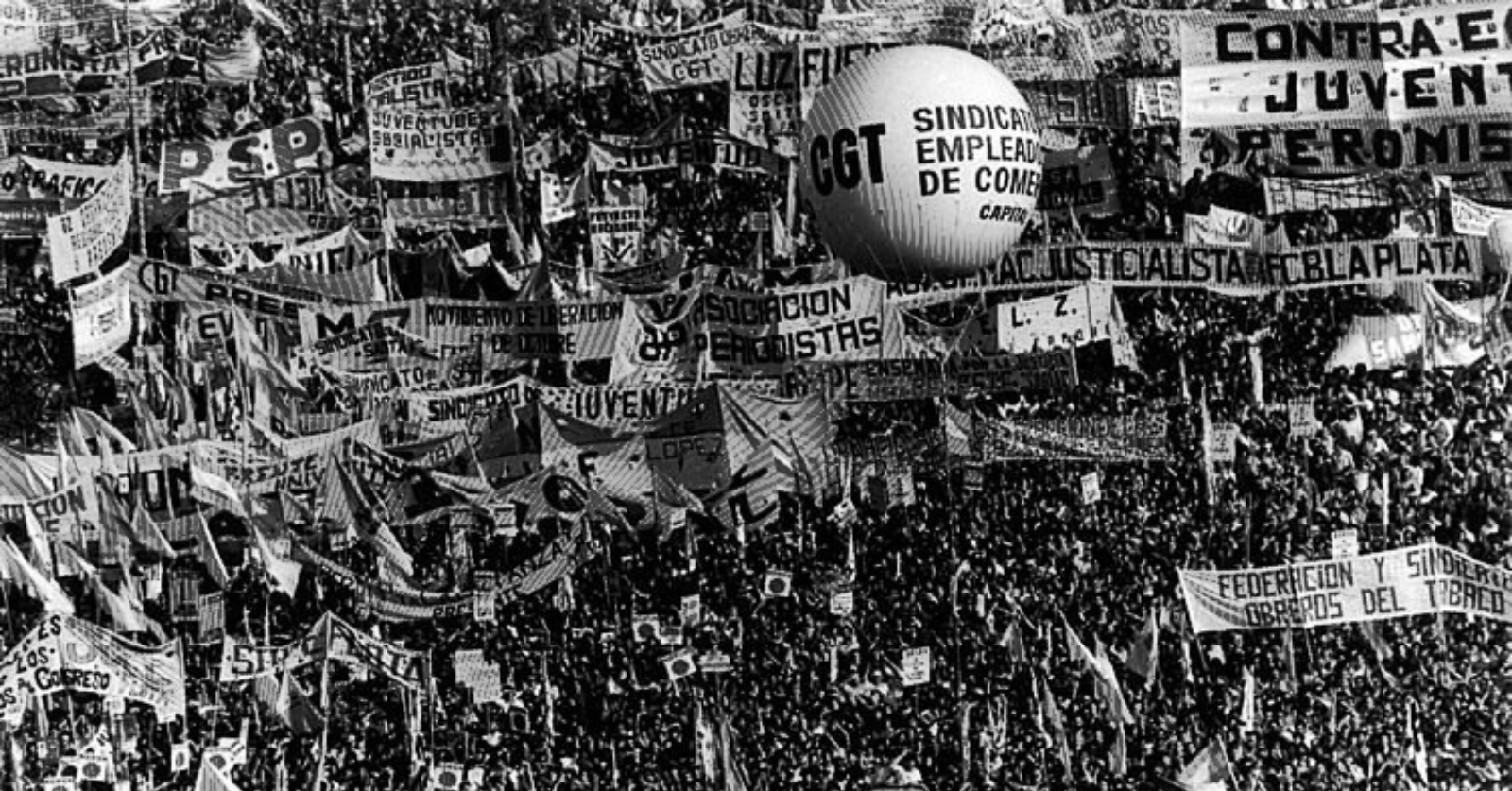
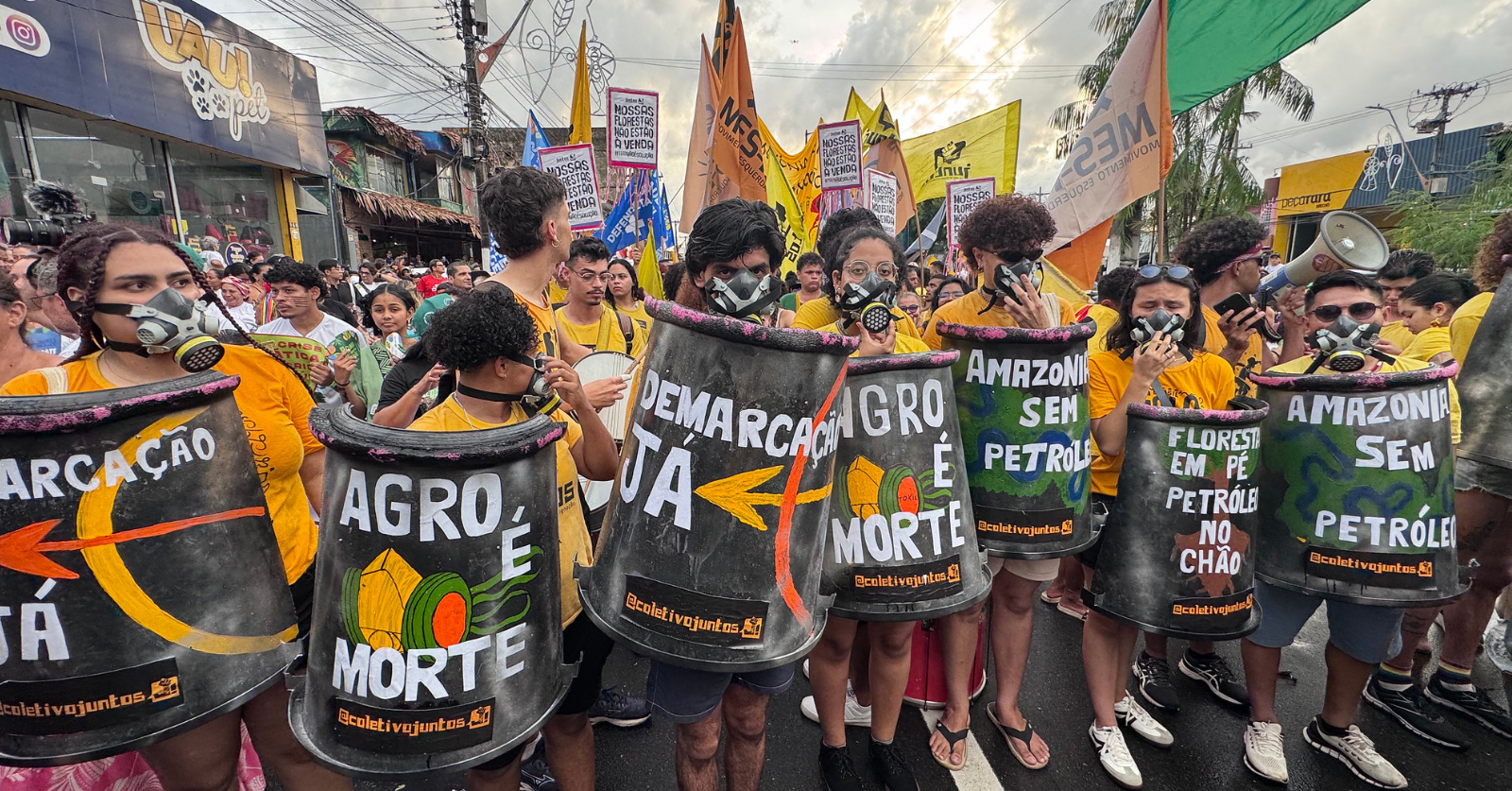
Only the power of organized mass movements can put an end to forever wars. Thousands of Americans flooded the streets in protest of the invasion of Venezuela, joined by masses of people in Latin American countries and around the world. The mainstream media, which fully backed the invasion of Iraq, is more cautious about running cover for airstrikes in Venezuela and the kidnapping of Maduro. Numerous labor unions have issued condemnations of Trump’s escalation.
We can look back at the massive crowds at last year’s “Hands Off” and “No Kings” marches to get a sense of the scale of demonstrations we already have the capacity to build. We must continue to grow this movement to the point where we have the power to shut down society — and finally turn the tide on neofascism and US imperialism. To do this, we must double down on organizing in our communities and, especially, in our workplaces. This organizing must be informed by a vision for working-class internationalism and an understanding that movements within the United States play a strategic role in curbing the harmful effects of US imperialism on a global scale. To end war, we must choose solidarity.